Structured Methodology
Standardised observation checklists and coding frameworks — not ad hoc note-taking.
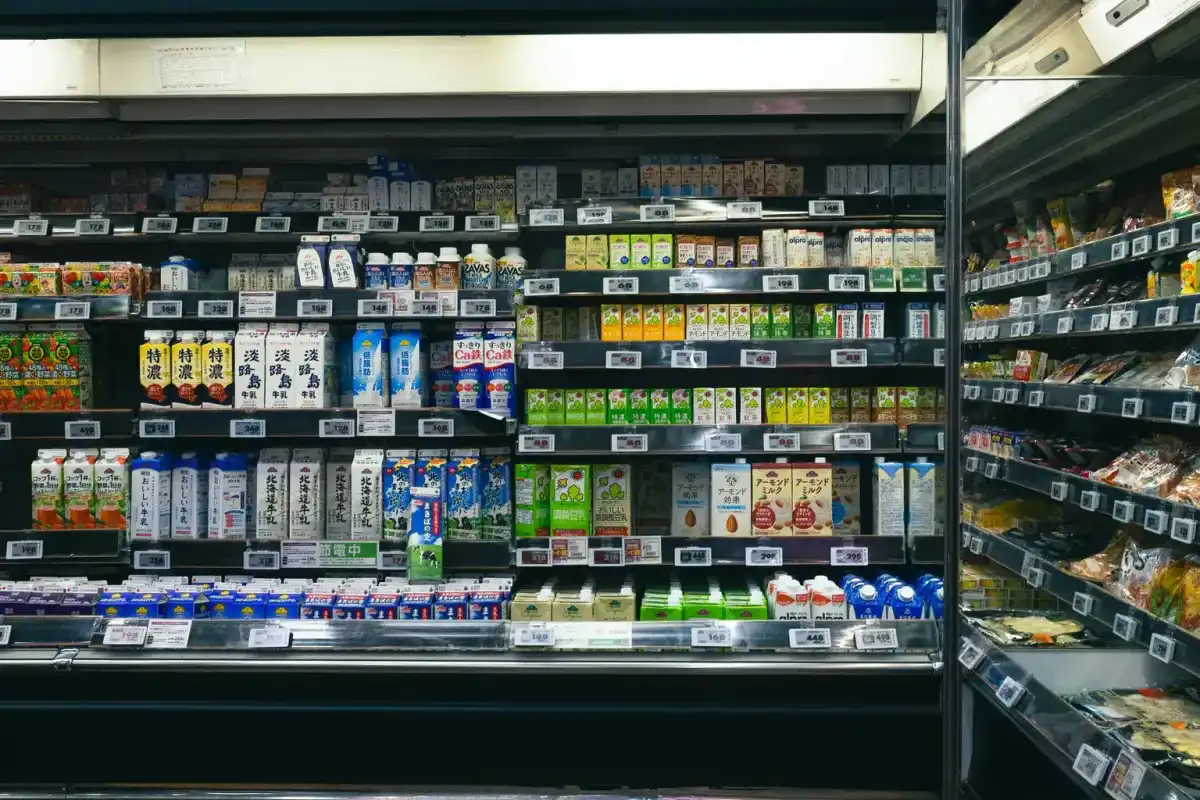
Structured observation frameworks that transform shopping trips into actionable shopper intelligence
Watching someone shop is easy. Extracting actionable intelligence from what you see requires methodology. Shop along research is only as valuable as the observation framework, coding scheme, and analysis methodology behind it. This page details Fieldstat’s methodological approach — the structured systems that transform a shopping trip into a decision process map.
Structured observation protocol. Our researchers don’t just “follow and watch.” They use a standardised observation checklist covering: store entry and navigation pattern, category approach sequence, shelf scanning behaviour, product pick-up triggers, label/price checking behaviour, comparison behaviour, product rejection reasons, basket composition, and checkout behaviour. Each behaviour is time-stamped and coded.
Probing without leading. The art of shop along is asking questions that reveal reasoning without influencing behaviour. Our researchers use non-directive probing: “What just caught your eye?” (not “Did you see our promotion?”), “Tell me about that decision” (not “Why did you choose brand X?”). Probes are deployed at natural pause points — after a product pick-up, after a decision, or at category transition.
Documentation and analysis. Every session is documented with: researcher field notes (real-time annotations), photos (shelf state, hand interactions, basket contents), and optional video (for detailed post-hoc analysis). Analysis uses a cross-session coding framework: we identify recurring patterns, decision heuristics, and trigger/barrier sequences across all observed shopping trips.
Multi-format observation. We adapt methodology for different retail environments: hypermarket full-trip (60–90 min), category-focused shop along (20–40 min in a single aisle), online shopping observation (screen recording + think-aloud), and quick-service restaurant / food court observation. Each format uses an environment-specific observation protocol.
Sources: POPAI, ESOMAR, Fieldstat shopper research practice
| Format | Duration | Focus | Best For |
|---|---|---|---|
Full-trip |
60–90 min |
Entire shopping journey |
Path-to-purchase, store navigation |
Category-focused |
20–40 min |
Single category/aisle |
Shelf interaction, brand switching |
Online shopping |
30–60 min |
Screen + think-aloud |
E-commerce UX, digital shopper journey |
Quick-service |
15–30 min |
Menu navigation, ordering |
Restaurant, food service, kiosk |
What does the customer decision-making process look like at the shelf?
How much time does the consumer spend choosing a product in the category?
What in-store factors influence final purchasing decisions?
Do POS materials effectively attract customer attention?
How does the customer navigate the store and which zones do they skip?
Standardised observation checklists and coding frameworks — not ad hoc note-taking.
Our researchers are trained in non-directive probing and ethnographic observation techniques.
We adapt methodology for hypermarkets, categories, online shopping, and food service environments.
We design the observation checklist, probing guide, and documentation protocol for your research objectives.
We recruit target shoppers and brief them on the shop along format.
Researchers observe, probe, photograph, and code shopper behaviour in real time.
We code all sessions, identify patterns, and build decision process maps.
Decision trees, trigger/barrier maps, and actionable recommendations for shelf, display, and channel strategy.
Shop along focuses specifically on the purchase decision at point of sale. Ethnography is broader — observing behaviour in any natural context. Shop along is a specialised form of retail ethnography.
Yes. Eye tracking glasses add objective visual attention data to the researcher’s behavioural observations — the most complete shopper intelligence available.
Shop-along (accompanied shopping) is an observational method where a researcher accompanies a shopper through their real purchase journey, documenting behaviour, decision triggers, and unspoken routines.
Mystery shopping evaluates service delivery from the store’s perspective. Shop-along studies the shopper’s decision process. The first audits the retailer; the second understands the consumer.
15–30 accompanied trips per segment, depending on category complexity and the diversity of shopping missions.
External sources and industry organizations related to this research method:
This solution is most frequently applied in the following industries: