Sports Research Experience
We've delivered sponsorship studies in football, volleyball, speedway, and esports.
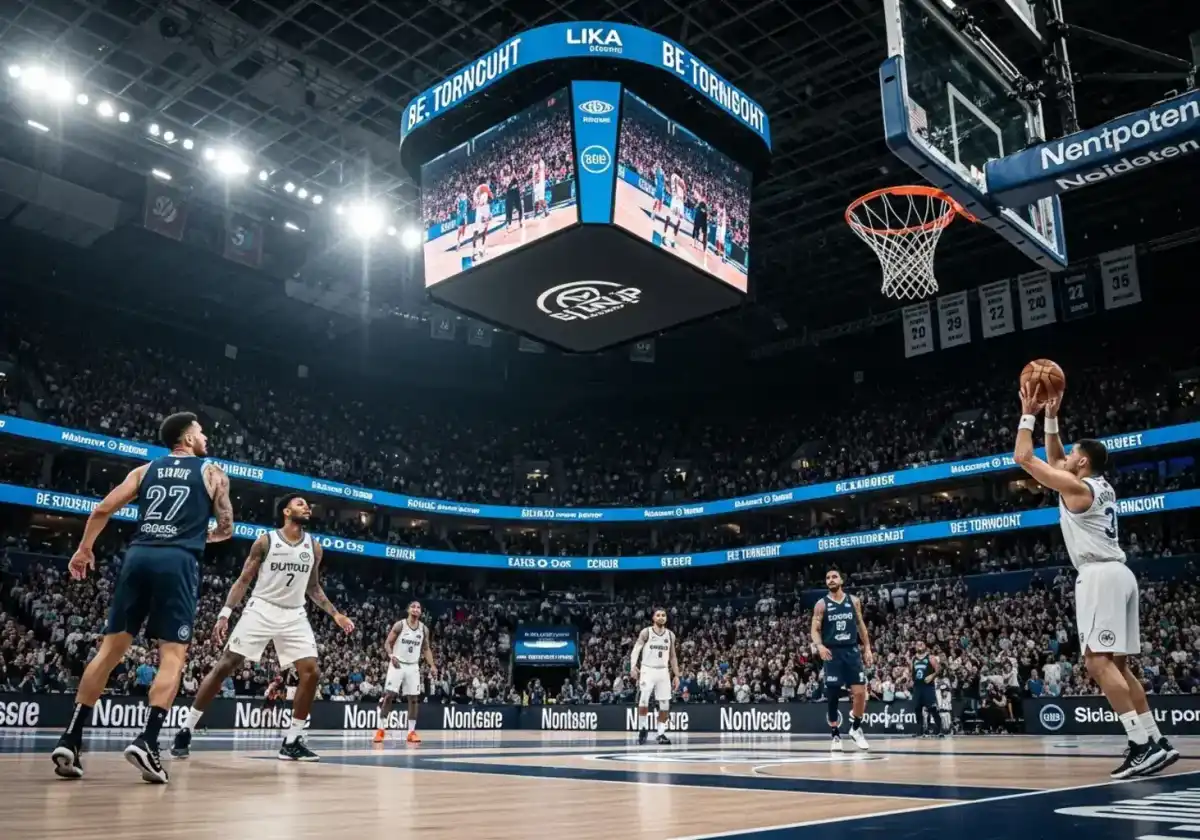
Sponsorship is an investment that demands measurable returns. Our research helps sponsors and rights holders objectively assess the impact and value of their partnership.
Sponsorship effectiveness research encompasses projects measuring the impact of sports, cultural, event, and esports sponsorship on brand image, sponsor awareness, and audience purchase behavior. Sponsorship is one of the oldest brand-building tools, but also one of the hardest to measure — unlike digital advertising, there’s no direct click attributable to a conversion.
Poland’s sponsorship market is dominated by sports — football, volleyball, speedway, and the increasingly powerful esports scene attract the largest budgets. Cultural sponsorship (festivals, music, arts), CSR sponsorship (education, sustainability), and event sponsorship (conferences, trade shows) are also growing. A key trend is the shift from traditional logo-on-jersey placement toward activation — engaging formats that build interaction with fans and participants, not just visual exposure.
Common sponsorship research projects include: sponsor awareness measurement (aided recall — “Do you know who sponsors Club X?” and unaided — “Name the sponsors you remember”), image transfer analysis (do positive attributes of the sponsored entity transfer to the sponsor brand?), fan and event attendee profiling (demographics, engagement levels, attitudes toward sponsors), sponsorship activation effectiveness assessment (did the activation influence engagement and purchase intent?), brand image tracking in sponsorship contexts, and sponsor benchmarking within specific sports or events.
Methodologically, sponsorship research requires pre-post exposure comparison (pre-post design) or comparison of exposed vs. control groups. The most commonly used methods are: CAWI on consumer panels (general population studies — awareness, image), on-site surveys at stadiums and events (fan/attendee research in natural context), CATI (supplementary phone surveys — reaching people not active online), IDI with sponsorship decision-makers (understanding strategy and expectations), and media analysis (monitoring the media value of sponsorship exposure).
The challenge is isolating the sponsorship effect from other marketing activities — a brand simultaneously runs advertising, PR, activations, and sponsorship, making it difficult to attribute image changes to a single channel. That’s why the most rigorous sponsorship studies employ quasi-experimental designs and control for confounding variables. Additionally, sponsor awareness measurement is sensitive to timing — right after a match, fans remember sponsors clearly, but that memory fades rapidly within a week.
PLN 1.46 billion — sports sponsorship market value in 2024 (+8% YoY)
NMInsights / Sponsoring InsightFootball — 34.4% of the market, volleyball — 19%, basketball — 8%
NMInsights / NowyMarketingForecast: PLN 1.5 billion in 2025
NMInsightsWe've delivered sponsorship studies in football, volleyball, speedway, and esports.
We measure not just awareness, but the impact on purchase intent and loyalty.
We conduct on-site research at stadiums, arenas, and events.
We discuss objectives, the sponsorship subject, and KPIs to measure.
We design the instrument — pre/post event survey or ongoing tracking.
We collect data from fans, attendees, or the general public.
We deliver sponsorship effectiveness analysis with strategic recommendations.
Yes. We research the impact of sponsorship on brand awareness, associations, purchase intent, and preference.
Yes, we have experience with on-site research among fans at sporting events.
In this sector, we most commonly apply the following research solutions: