Pet Owner Targeting
We reach owners of specific species, breeds, and profiles.
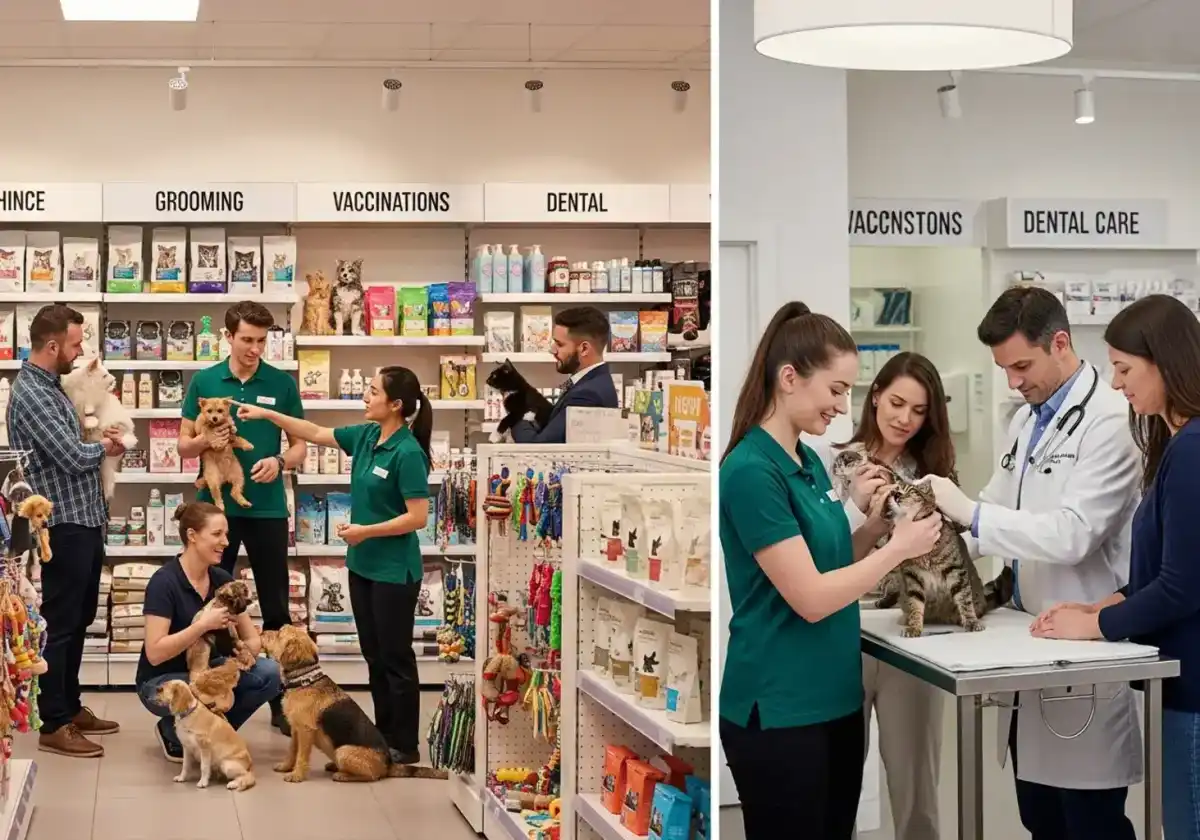
The pet market is booming alongside the humanization of companion animals. Our research helps pet brands understand owners’ needs and motivations — delivering insights that drive product innovation and brand loyalty.
Pet industry market research encompasses projects covering the companion animal ecosystem — pet food manufacturers, accessories companies, pet stores, veterinary clinics, pet insurers, and pet care service providers (grooming, pet hotels, dog walking). These studies analyze pet owner purchasing behaviors, food and product preferences, decision-making processes and selection factors, and attitudes toward animal health and welfare.
Poland’s pet industry is one of the fastest-growing consumer sectors — the pet food market value exceeds 6 billion PLN, and the humanization trend (treating pets as family members) is driving premiumization across all categories. Over 50% of Polish households own a pet — most commonly a dog or cat. The premium and super-premium food segment, pet supplements, veterinary insurance, and pet tech (smart collars, automatic feeders) are all growing rapidly. Pet e-commerce (Zooplus, Allegro) is outpacing physical retail channels.
Common pet industry research projects include: food preference studies (dry vs. wet, premium vs. economy, specialized vs. universal), new product concept testing (food, treats, accessories, toys), purchase process analysis (where, how often, and how much owners spend), veterinary service satisfaction research, pet owner segmentation (budget-conscious vs. premium, health-focused vs. convenience-driven), pet industry trend monitoring, and pet brand image studies.
Methodologically, pet industry research benefits from pet owners being a highly engaged group — they enthusiastically discuss their pets and willingly participate in animal-related surveys. The most commonly used methods are: CAWI on consumer panels with profiling (species, breed, pet age, food type, spending), HUT — Home Use Tests for pet food (in-home tests where owners evaluate their pet’s reaction and their own satisfaction), focus groups (exploring the owner-pet relationship and purchase motivations), IDI with owners of specialized breeds and breeders, CATI (reaching older owners who may not be active online), and market data analysis.
The challenge is the indirect nature of consumption — the product is purchased by a human but “consumed” by an animal that cannot express an opinion. That’s why research must measure both the animal’s reaction (as observed by the owner) and the owner’s satisfaction. Additionally, the emotional bond with a pet can lead to irrational purchase decisions — owners are willing to spend more on premium food even when uncertain about its objective superiority over more affordable alternatives.
~PLN 9.6 billion — pet industry value in 2024 (+14% YoY)
OC&C / Brandly3608.4 million dogs and 7.5 million cats in Polish households
OC&C / PAPForecast: PLN 13 billion by 2029 (+30%)
OC&C Strategy ConsultantsWe reach owners of specific species, breeds, and profiles.
75,500 panelists enable rapid identification of pet owners.
We organize in-home food and accessory tests.
We understand humanization and premiumization trends in the pet industry.
We discuss objectives, product category, and target pet owner profile.
We reach pet owners meeting the specified criteria.
We conduct the study — surveys, product testing, or interviews.
Yes, we can recruit owners of designated breeds and conduct dedicated studies.
Yes, we organize in-home food tests with evaluation of pet preferences and owner satisfaction.
In this sector, we most commonly apply the following research solutions: