Professional Mystery Dining
We conduct expert mystery guest audits in restaurants and hotels.
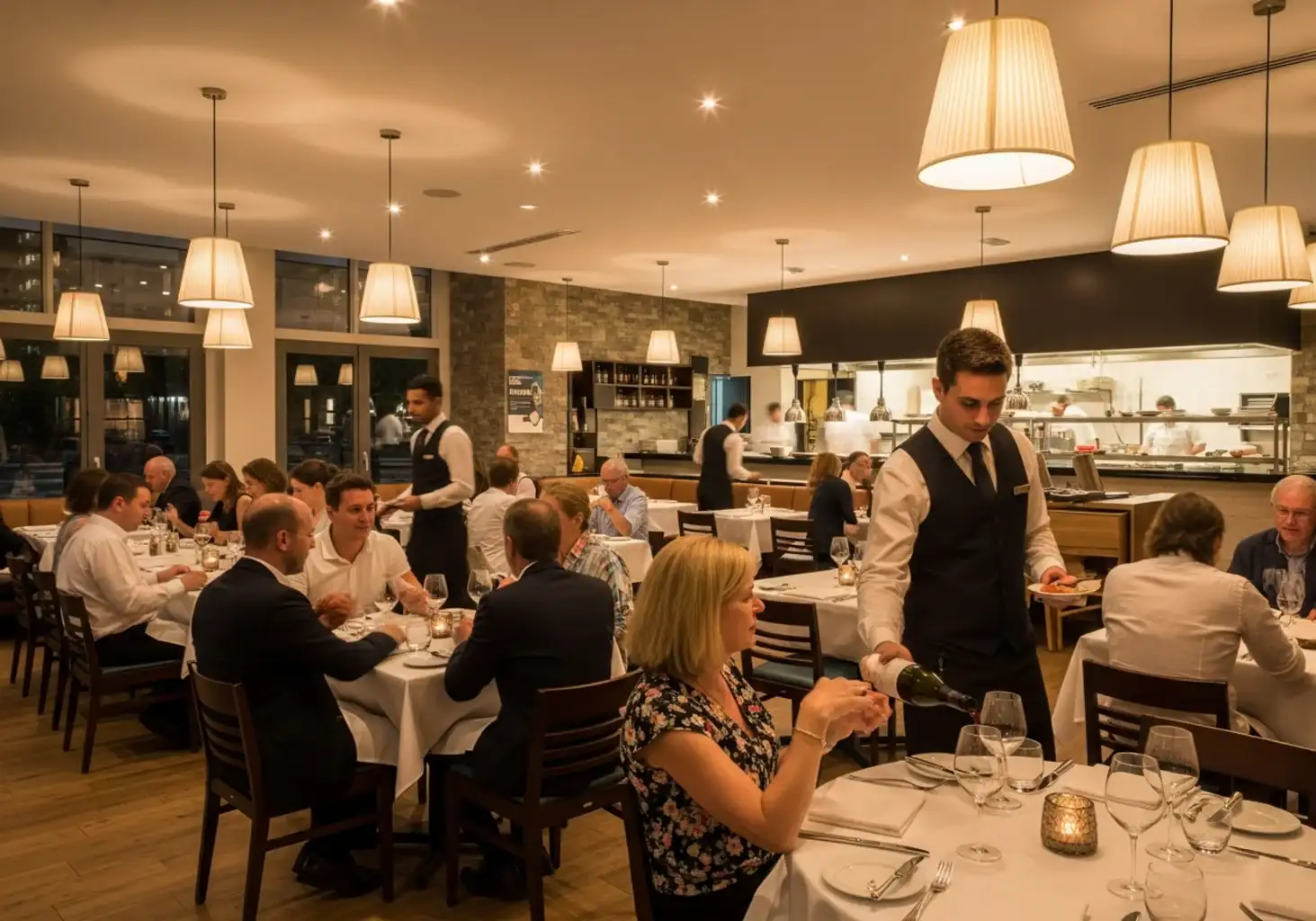
The HoReCa sector lives and dies by guest experience. Our research helps hotels, restaurants, and catering companies deliver services that earn loyalty and five-star reviews.
HoReCa market research (Hotels, Restaurants, Catering) encompasses projects covering the hospitality and foodservice sector. These studies analyze guest experiences, service satisfaction, culinary preferences, decision-making processes in restaurant or hotel selection, and trends shaping the industry. A flagship tool in this sector is mystery dining/guesting — service quality audits conducted by trained mystery guests.
Poland’s HoReCa sector is growing dynamically — the foodservice market value exceeds 40 billion PLN, and dining out is becoming increasingly popular. At the same time, the industry faces staffing shortages, rising ingredient and energy costs, and intensifying competition from food delivery platforms (Glovo, Wolt, Uber Eats) and dark kitchens. In hospitality, the apart-hotel and boutique hotel segment is expanding, and OTA platforms (Booking, Expedia) dominate the booking channel. Key trends include: the growing influence of online reviews, experience personalization, sustainable gastronomy, and technology adoption (QR menus, reservation chatbots).
Common HoReCa research projects include: mystery dining (restaurant quality audits — service, food quality, atmosphere, cleanliness, wait times), mystery guesting (hotel audits — check-in, room, service, breakfast, check-out), guest satisfaction surveys (NPS, CSAT, review analysis), new menu and format concept testing, consumer culinary preference studies, food delivery and dark kitchen trend analysis, restaurant and hotel chain brand image research, and guest segmentation (occasional, regular, foodies, business travelers).
Methodologically, HoReCa research combines direct and digital methods. Mystery dining requires trained auditors, a detailed scenario (what to observe, what to order, how to evaluate), and a standardized assessment questionnaire. Satisfaction surveys (CAWI) are sent to guests after their visit (via email, QR code on the receipt). Focus groups test new restaurant and menu concepts. Online review analysis (TripAdvisor, Google Maps, Booking) provides vast amounts of guest experience data in a natural context.
The challenge is the subjectivity of the dining experience — the same dish can receive vastly different ratings depending on the guest’s mood, company, and expectations. That’s why standardization in mystery dining is crucial — auditors must separate subjective impressions from objective observations. Additionally, the HoReCa sector is inherently local — research findings from Warsaw restaurants don’t translate directly to Krakow, requiring localized research approaches.
PLN 35.3 billion — HoReCa market value in 2024 (+8.4% YoY)
PMR Market Experts101,500 foodservice establishments in Poland (+8.8% YoY)
GUS / Poradnik RestauratoraPLN 85.2 billion — total foodservice revenue (2024)
GUSWe conduct expert mystery guest audits in restaurants and hotels.
Research at the individual city level or across entire chain networks.
We understand service standards, culinary trends, and guest expectations.
We define objectives — quality audit, satisfaction research, or market analysis.
We create the audit scenario or research questionnaire.
Mystery guests visit venues or we collect data from real customers.
A trained auditor visits a restaurant as an ordinary guest, evaluating service quality, food, atmosphere, and cleanliness against a standardized scenario.
Yes, we conduct studies among delivery orderers and food delivery platform users.
In this sector, we most commonly apply the following research solutions: