Product Testing Expertise
We organize in-home (HUT) and in-studio (CLT) tests for cosmetics and treatments.
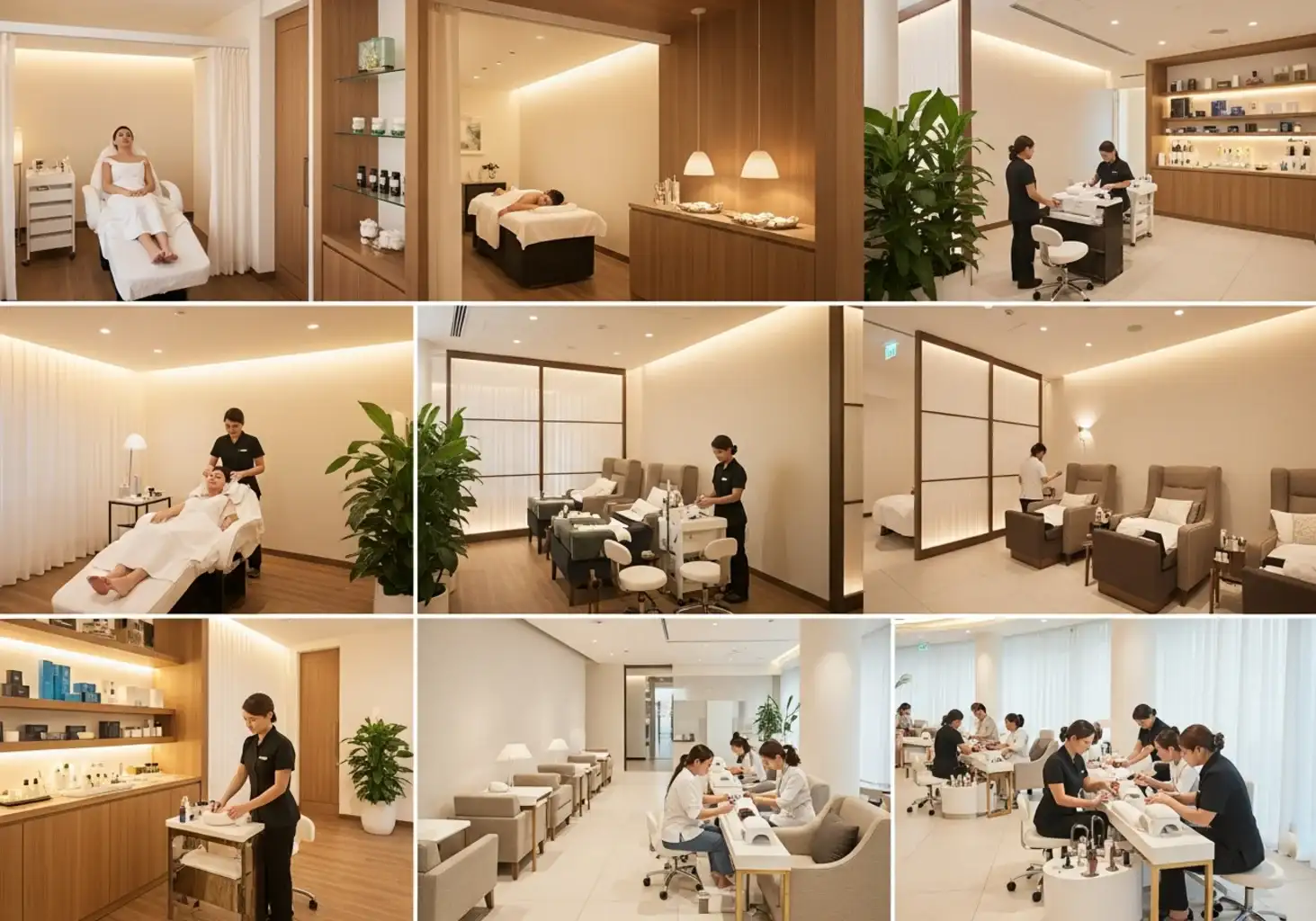
The beauty and wellness market is driven by trends and emotions. Our research helps cosmetics brands and beauty salons respond more precisely to what consumers truly want and need.
Beauty and wellness market research encompasses projects covering the cosmetics industry (skincare, makeup, fragrances), beauty salons, aesthetic medicine clinics, spas, and the beauty supplements sector. These studies analyze consumer skincare routines, ingredient and brand preferences, purchase decision-making, responses to beauty trends, and satisfaction with beauty services. Cosmetics product testing (CLT, HUT) is one of the most common research formats in this industry.
Poland’s cosmetics market is one of the largest in Europe — Poles spend over 20 billion PLN annually on cosmetics, making Poland the fourth-largest cosmetics market in the EU. The industry is dynamically shaped by trends: clean beauty (natural ingredients, minimalist formulations), skinimalism (fewer products, better quality), personalization (cosmetics tailored to individual skin profiles), the growing role of men as beauty consumers (male grooming), and social media dominance (TikTok, Instagram) as the primary purchase inspiration channel.
Common beauty research projects include: cosmetics product testing — CLT (Central Location Test, comparison under controlled conditions) and HUT (Home Use Test, in-home testing over a defined period), skincare routine analysis (multi-step: cleansing, toning, serum, moisturizer, SPF), concept testing (packaging, naming, marketing claims), ingredient preference research (hyaluronic acid, retinol, niacinamide — awareness, trust, willingness to pay), beauty consumer segmentation, pricing studies, and beauty trend monitoring.
Methodologically, beauty research requires particular attention to sensory context. Cosmetics product testing must account for usage conditions (skin type, season, existing routine), exposure time (skincare effects appear over days/weeks, not instantly), and evaluation subjectivity (how does a consumer define “smooth skin” or “healthy glow”?). The most commonly used methods are: HUT with usage diaries (consumers test products at home for 2–4 weeks and complete assessment questionnaires), CLT (product comparison in-studio — blind or branded), CAWI on panels with beauty profiling, focus groups (exploring rituals and emotions), and social media and influencer analysis.
The challenge is the strong placebo effect in cosmetics testing — consumers who believe in a product’s efficacy (because they trust the brand or an influencer) rate it higher regardless of objective results. That’s why blind tests are essential for reliable assessment. Additionally, skincare seasonality (lighter products in summer, richer in winter) affects test results and must be factored into the research timeline.
PLN 25.2 billion — cosmetics market value in 2024 (+16.8% YoY)
PZPK — Cosmetic Poland / WiseEuropa5th largest cosmetics market in the EU (6.6% share)
PZPK / Beauty RazemEUR 6 billion — cosmetics exports (9th worldwide)
PZPKWe organize in-home (HUT) and in-studio (CLT) tests for cosmetics and treatments.
We reach consumers with specific skin types, routines, and beauty budgets.
75,500 panelists enable rapid access to users of specific beauty categories.
We actively track beauty trends — from clean beauty to skincare personalization.
We discuss the product, target audience, and research questions.
We select the method — survey, HUT, focus group, or interview.
We collect data from beauty consumers using the selected method.
We deliver preference insights and product recommendations.
Yes. We conduct in-home tests (HUT), in-studio tests (CLT), and comparative tests — for both skincare and color cosmetics.
Yes, we reach clients of beauty salons, hair salons, and aesthetic medicine clinics.
In this sector, we most commonly apply the following research solutions: